These Photography Tips Change How You Capture the Philippines (In the Best Way)
This article may contain affiliate links. This means we receive a small commission whenever you book or purchase something through our links (at no extra cost to you!). You can find more information in our disclaimer.
Have you ever stood on the edge of paradise, camera in hand, wondering how to capture the hidden beauty of the Philippines through your lens?
The Philippines, an archipelago full of life and color, with many secrets waiting to be discovered.
From emerald hills to sparkling seas, each corner of the Philippines tells a story. But how can you capture it all in one picture?
With the right tools and techniques, you can keep the spirit of this amazing place in your photos.

Are you ready to explore the hidden gems of the Philippines?
Your camera can capture what many don’t notice.
Choosing the Right Gear

Before heading to the Philippines, make sure your camera gear is ready. While any camera may capture basic shots, the right equipment is important to capturing the country’s stunning landscapes and vibrant wildlife.
DSLRs are best for landscapes, offering the flexibility of interchangeable lenses. A 24mm wide-angle lens is ideal for sweeping shots, and a polarizing filter reduces glare while enhancing colors, especially in ocean shots.
A lightweight tripod is important also for steady shots, especially during sunsets or starry skies. For those breathtaking aerial shots, a high-quality drone will give you perspectives that a standard camera can’t capture.
Don’t forget extra batteries and memory cards, these will ensure you’re always ready to capture the perfect moment, no matter where you are.

Sign up now to grab your FREE guide to 50 hidden gems in the Philippines!
Understanding the Light
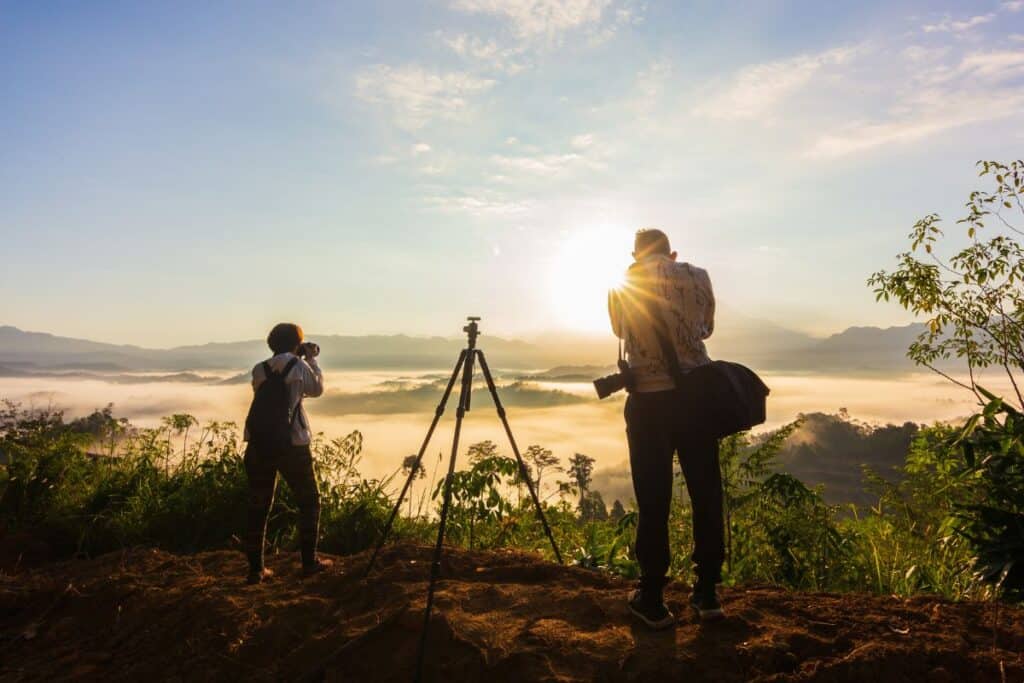
When it comes to photography, timing is everything.
Timing plays a important role in photography, especially during the golden hour, just after sunrise and before sunset. The light during this time is soft, diffused, and perfect for capturing stunning landscapes and portraits.
The warm glow enhances greenery and turns the sand of beaches into golden hues, creating ideal photo opportunities.
Equally important is understanding the weather. The skies in the Philippines can change quickly, offering various moods for your photos. You can capture dramatic shots of approaching storms or serene midday skies.
Each weather shift provides a unique chance to play with contrasts, highlights, and shadows, making every moment an opportunity for creative expression.
Finding Hidden Locations

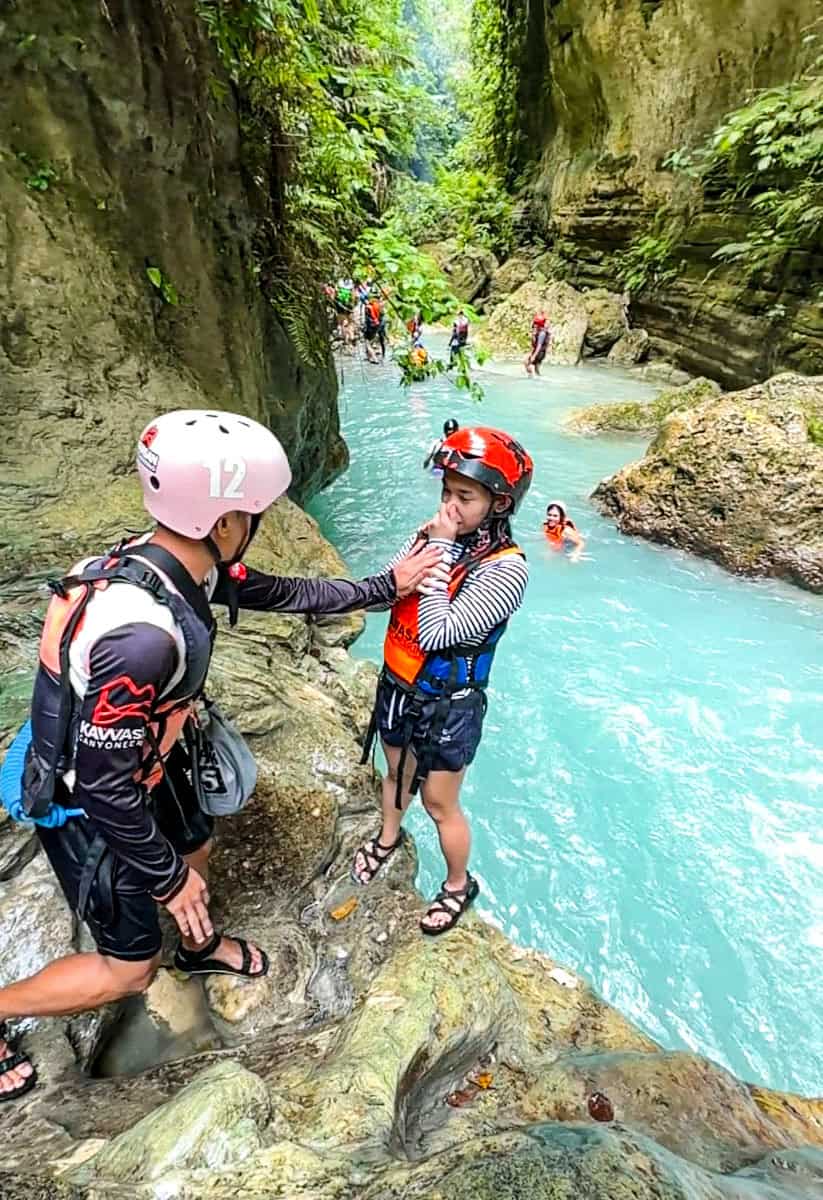
To really experience the Philippines, get away from the busy tourist spots and explore its hidden treasures. Local guides are helpful in finding secret places like waterfalls, old rice terraces, and islands that aren’t well-known.
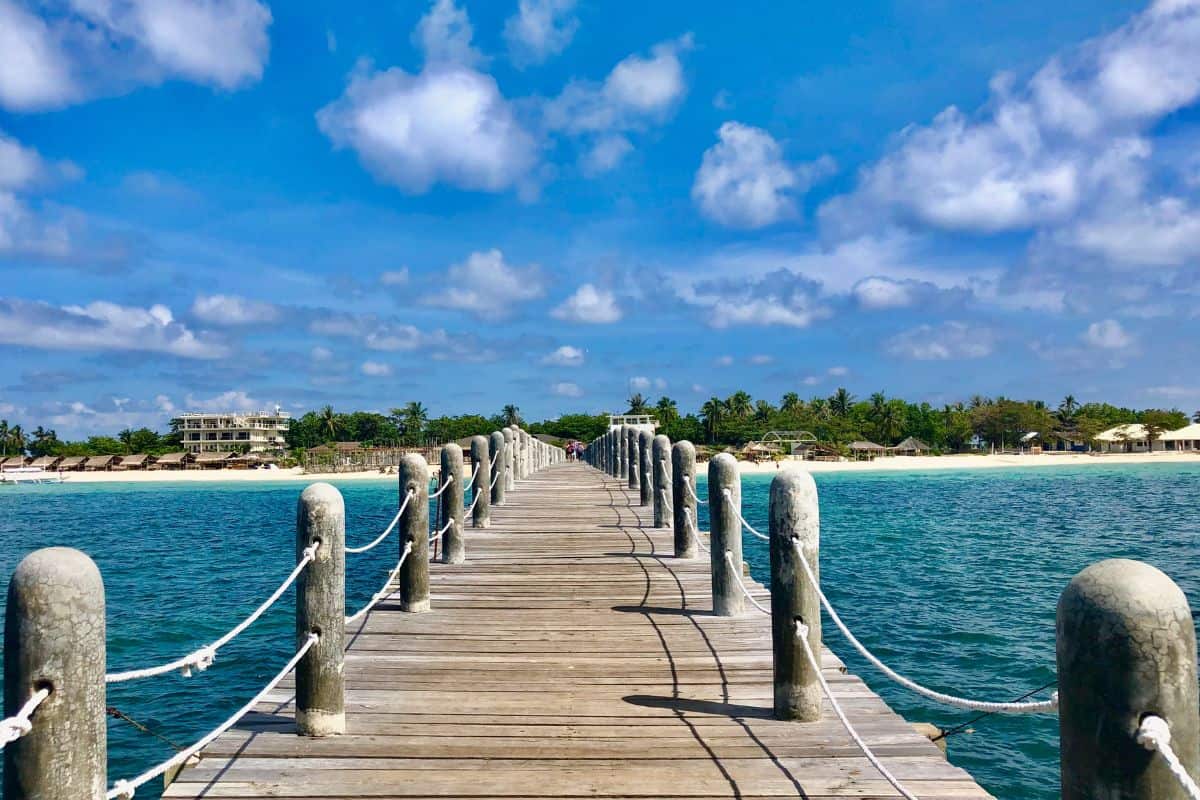
Island hopping can take you to less-crowded beaches like Kalanggaman and Bucas Grande. These spots are perfect for photos since every angle is beautiful and Instagram-worthy.
Other places like the Sagada caves and Banaue Rice Terraces also give you amazing photo opportunities.
Mastering Nature and Wildlife Photographs

The Philippines offers amazing wildlife photography opportunities. For birds like the Philippine Eagle, use a fast shutter speed (1/1000 sec or faster) to freeze their flight, especially during sunrise.
Underwater photography, especially in places like Tubbataha Reef, is perfect for capturing marine life. A wide-angle lens and proper lighting will help bring out the details.
For land animals, patience is key. Use a longer lens (200mm+) to capture animals like the tarsier from a safe distance.
Pay attention to light, composition, and animal behavior to capture nature’s true essence. Always be respectful of wildlife and maintain a safe distance to ensure the animals’ well-being.
The Philippines offers incredible opportunities for wildlife photography..
Cultural Portraiture: Capturing the People

Beyond landscapes and wildlife, the true essence of the Philippines lies in its people. Portrait photography allows you to capture the heart and soul of its culture.
To create authentic images, engage with locals and listen to their stories. This will help you capture candid moments that reveal their true character. Street markets in Manila, the lively Sinulog parade, and community festivals are excellent opportunities for capturing dynamic, colorful portraits.
Look for the small details, expressive eyes, the lines on weathered hands, and faces lit up with laughter. These elements often tell the most powerful stories.
Respect is key in cultural portraiture. Always approach your subjects with kindness and sincerity, and be aware of cultural sensitivities.
Post-Processing Tips for Philippine Vistas

So, you’ve captured stunning scenes. Now, it’s time to enhance them in post-processing. Keep your edits simple and natural.
Enhance the natural blues and greens of the landscape while keeping the colors true to life. Use editing tools to adjust exposure, contrast, and shadows to add depth.
You can also experiment with warmth to match the scene’s mood, but always aim to keep the image authentic.
Your goal is to highlight the Philippines’ natural beauty. A well-edited photo should stir emotions and transport viewers right into the scene.
📢 Join the community! Make sure you join our Philippines Hidden Gems – Travel Community. This is the place to ask any questions about your trip, to be inspired, and to connect with other Philippines travelers. Click here to join!
Planning Your Trip

Finally, planning is key. The Philippines encompasses over 7,000 islands, and choosing where to start can be overwhelming.
Prioritize what speaks to you most. Is it hidden beaches, bustling cityscapes, or quiet countryside?
Consider travel seasons. Dry season, spanning November to April, is preferable for outdoor expeditions and photography tours.
However, visiting during off-peak times can reveal a quieter, more personal side to popular sites.
Always stay flexible with your plans, the weather can change quickly. Always have a backup!
Insider Tips for Capturing the Hidden Beauty of the Philippines
📸 Bring the Right Gear: A DSLR with a 24mm lens, polarizing filter, and a lightweight tripod are key for capturing stunning landscapes. Don’t forget a drone for aerial shots!
🕒 Visit During Golden Hour: For the best light, photograph during the golden hour, just after sunrise or before sunset. This is when the light is soft and perfect for landscapes.
🌿 Explore Hidden Locations: Skip the crowds and discover hidden spots. Local guides can take you to secluded waterfalls, rice terraces, and untouched islands that offer amazing photo opportunities.
🦅 Be Patient for Wildlife Shots: Wildlife photography takes time. Use a fast shutter speed for birds and a wide-angle lens for marine life. Patience will get you the perfect shot.
👥 Capture Cultural Portraits: Engage with locals for authentic moments. Festivals and street markets are great for candid portraits. Focus on details like eyes and hands for powerful images.
💻 Keep Editing Simple: Enhance your photos with basic edits, adjust exposure and contrast while keeping the colors true to life.
🌦 Be Flexible with Plans: The weather can change quickly, so stay flexible. Have a backup plan and enjoy the adventure!
Let the Philippines Tell Its Story Through Your Lens

The Philippines is more than beaches and islands. It’s full of stories waiting to be told through your lens.
Bring the right gear, respect the culture, and stay open to surprises. Sometimes, the best photo is the one you didn’t plan.
🧭 Travel Resources for the Philippines
Planning a trip around the Philippines? Here are trusted websites and tools to book flights, ferries, hotels, tours, and everything else you’ll need for smooth island-hopping.
✈️ Flights Between Islands
Find the best domestic and international flight deals with 12Go or Skyscanner, and check budget airlines like Cebu Pacific, AirAsia, and Philippine Airlines for cheap inter-island connections.
⛴️ Ferries and Island Transfers
Book ferries between popular islands like Cebu, Bohol, Siquijor, and Palawan on 12Go, which lists updated schedules, routes, and ticket prices for operators like OceanJet, Montenegro Lines, and 2GO Travel.
🏨 Where to Book Your Stay
Choose from beachfront resorts, city hotels, or private stays with Booking.com, Agoda, Airbnb, or Vrbo for family-friendly rentals.
🚗 Getting Around
Compare car rentals on Rentalcars.com or DiscoverCars, book private transfers via Klook, or use Grab in major cities like Manila, Cebu, and Davao for hassle-free rides.
🌴 Book Tours and Activities
Explore top attractions, island-hopping tours, and cultural experiences with Klook, Viator, or GetYourGuide, which all offer easy online booking and reviews.
📶 Stay Connected
Stay online with an Airalo eSIM, rent pocket WiFi from Klook for groups, or buy a local Globe or Smart SIM card upon arrival at the airport.
💸 Cash, ATMs, and Payments
Always carry pesos for small towns and markets, as card payments aren’t widely accepted in remote areas and ATMs can be limited on smaller islands.
🧳 Travel Insurance
Protect yourself from flight delays, medical emergencies, and trip cancellations with flexible plans from SafetyWing, HeyMondo, or World Nomads.
Check Out These Recommended Articles:
- Discover the Artisan Villages of Luzon Yet to Be Found on the Map
- Alona Beach in Bohol Philippines: Everything You Need to Know
- Rainy Season in the Philippines? Here’s Why It’s Still Worth Visiting
- Chocolate Hills of Bohol Philippines: Your Ultimate Travel Guide

About the Author
Hey, I’m Anjie! I love to travel, try local food, and sometimes get a little lost just to see what I’ll discover. I’m obsessed with nature and the sound of waves. That’s why I live where I can take a quick drive to watch the sunset and enjoy the ocean view.
I never start an adventure without iced coffee. I share hidden places in the Philippines because I want others to feel the same peace and joy I do when I find something beautiful and unexpected.