Rainy Season in the Philippines? Here’s Why It’s Still Worth Visiting
This article may contain affiliate links. This means we receive a small commission whenever you book or purchase something through our links (at no extra cost to you!). You can find more information in our disclaimer.
Thinking of ditching the travel plans to the Philippines because of the rain? Think again! 😉
While many balk at the idea of traveling during the wet season, savvy travelers know this is when the real magic happens.
From fewer crowds to greener landscapes, brace yourself as we dive into why the rainy season in the Philippines is an open secret in the travel community.
Get ready for an enlightening journey that will make you reconsider those preconceived notions and embrace an adventurous spirit.
When is the Rainy Season in the Philippines

The rainy season in the Philippines typically starts in June and lasts until November, thanks to the southwest monsoon, locally called habagat.
During this time, expect frequent rain showers, thunderstorms, and the occasional typhoon, especially from August to October.
The rains can range from light drizzles to heavy downpours that might turn streets into rivers for a few hours.
While it’s not ideal for beach trips, it’s a great time to enjoy cooler weather and lush, green landscapes. If you’re visiting, pack an umbrella, a raincoat, and some waterproof shoes—you’ll thank yourself later.
And don’t worry, Filipinos are pros at turning rainy days into fun ones, whether it’s enjoying hot bowls of bulalo or dancing in the rain during festivals! 🤭
What to Know About the Rainy Season in the Philippines
1. The Lush Greenery Like Never Before

During the rainy season, the Philippines isn’t just green—it’s jaw-dropping green. Think of it as nature hitting its “refresh” button.
The Banaue Rice Terraces look like they’ve been polished by the rain, turning into shimmering emerald staircases.
Over in Palawan and Bohol, the jungles thrive, with leaves so vibrant they seem like they’ve been filtered through a nature-lover’s Instagram lens. It’s the kind of lushness you can almost feel—fresh, damp, and alive.
For photographers, this season offers a unique chance to capture those postcard-perfect moments without the usual dry-season crowds.
And if you’re into nature treks or birdwatching, this is your time to see wildlife and flora at their best. Rain brings life, and in the Philippines, it’s a spectacular show.
💡 Pro Tip: Bring a raincoat and waterproof shoes. Muddy trails might be unavoidable, but trust us, the views will be worth every step.

Sign up now to grab your FREE guide to 50 hidden gems in the Philippines!
2. Fewer Tourists, More Authentic Experiences

The rainy season in the Philippines means fewer tourists, creating an opportunity for more meaningful and personal travel.
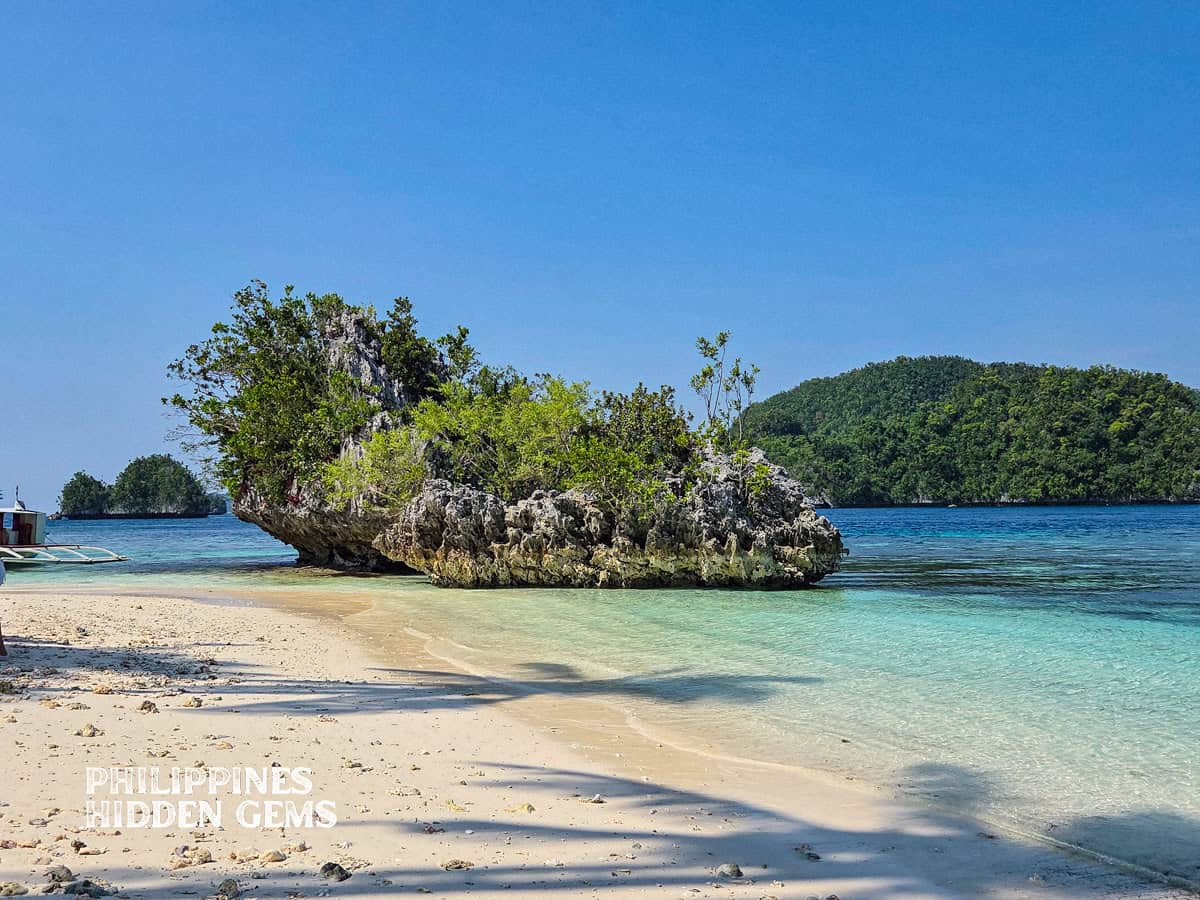
Beaches such as Boracay are quieter, with stretches of pristine sand available for uninterrupted relaxation.
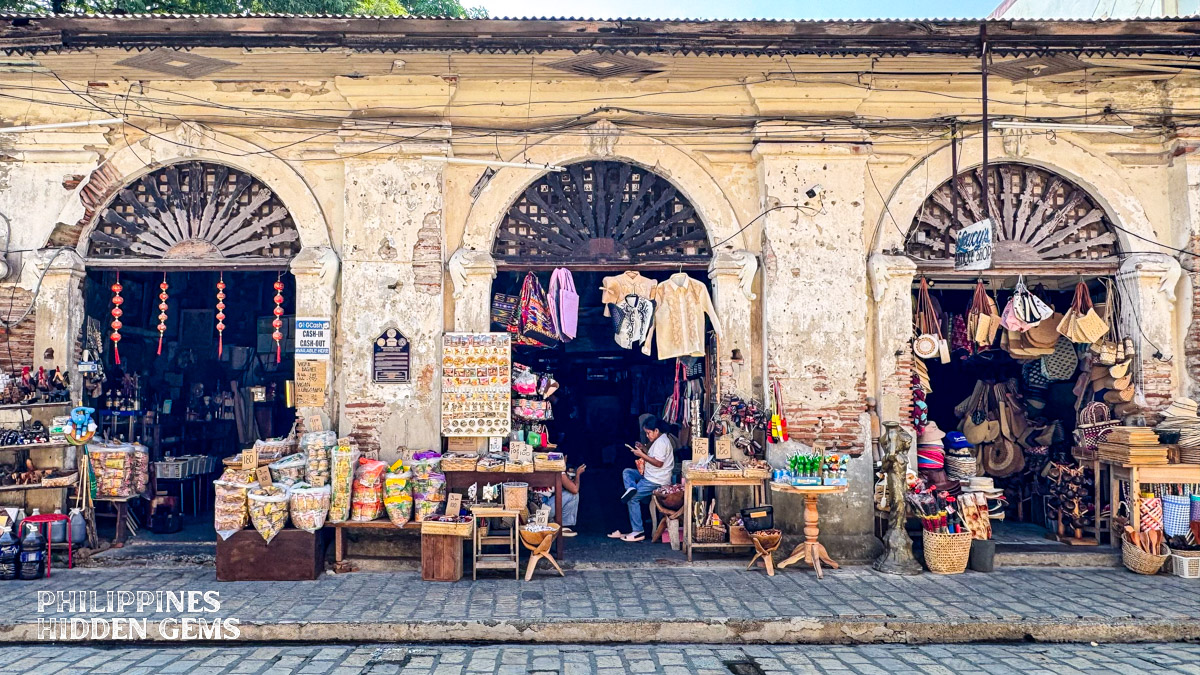
In historic towns like Vigan, exploring feels intimate and unrushed, giving you a better appreciation of the architecture and atmosphere.
Locals also tend to have more time to engage with visitors during the off-season, just like in Baguio.
A vendor at a market might share tips on picking the best mangoes, or a guide may take extra care to explain cultural traditions. 😉
These genuine interactions allow for a deeper understanding of Filipino life and traditions.
💡 Pro Tip: Take advantage of low-season discounts on accommodations (Agoda | Booking.com) and tours (Klook | GetYourGuide). Many places offer reduced rates, making it easier to enjoy premium experiences at a fraction of the cost.
3. Perfect Opportunity for Indoor Activities

The rainy season in the Philippines is ideal for exploring the country’s rich culture and history through indoor activities.
Museums and art galleries, such as the National Museum of Fine Arts in Manila or the BenCab Museum in Baguio, showcase Filipino creativity and heritage in inspiring ways.
Food lovers can explore Filipino culinary flavors through cooking classes or food tours. Learn to make iconic dishes like adobo, sinigang, or the sweet and sticky kakanin, which pair perfectly with a rainy afternoon.
For those curious about history, landmarks like Intramuros or the many ancestral houses scattered across provinces, such as Iloilo or Silay City, offer immersive insights into the country’s storied past.
Rainy days don’t have to mean staying idle—they’re an invitation to connect with the culture in cozy, meaningful ways.
💡 Pro Tip: Pair museum visits with local delicacies nearby, like enjoying hot molo or batchoy (some famous Iloilo delicacies) after exploring the exhibits. It’s a comforting way to make the most of the weather.
4. Enjoy the Festivals, Rain or Shine

The rainy season in the Philippines doesn’t stop the party. Some of the most colorful and energetic festivals take place during this time, turning rain into part of the fun.
In Leyte, the Pintados-Kasadyaan Festival showcases intricate body painting and lively parades celebrating the region’s warrior history.
Over in Davao, the Kadayawan Festival bursts with color as locals honor their bountiful harvests with street dancing, floral floats, and cultural performances.
Meanwhile, Bacolod’s MassKara Festival shines even on rainy days. Known as the “Festival of Smiles,” it features dazzling masks, energetic street dances, and vibrant costumes that bring cheer no matter the weather.
These events are deeply rooted in Filipino traditions, making them a fantastic way to experience the spirit of the community.
Rain often adds an exciting twist to the festivities, with people embracing it as part of the celebration.
You’ll find locals dancing, laughing, and carrying on as if the rain were a welcome guest.
💡 Pro Tip: Pack a lightweight poncho or quick-drying clothes so you can enjoy the action comfortably. Some festivals even sell their own branded rain gear—perfect as a practical souvenir.
5. Lower Travel Costs but the Same Great Value

Traveling to the Philippines during the rainy season can be a budget traveler’s dream.
Off-season discounts on flights, hotels, and even tours mean you can experience the same incredible destinations for a fraction of the price.
Accommodations, especially in popular spots like Palawan, Cebu, Bohol, and Siargao, often have deals that include added perks like complimentary breakfasts or free upgrades.
Airlines also slash fares, making domestic travel between the islands more affordable.
The best part? The quality of the experience doesn’t drop.
Whether it’s beautiful beaches, unique festivals, or cultural sites, you’re still getting the full Filipino experience without the peak-season price tag.
💡 Pro Tip: Look for last-minute deals or package offers combining flights and stays. You can save even more by booking tours locally instead of online.
Where to Book?
✈️ Book Your Trips Here: 12Go
🏨 Book Your Stay Here: Agoda | Booking.com
📍 Book Your Tours and Activities Here: Klook | GetYourGuide
6. Cooler Weather Is a Welcome Relief

The rainy season in the Philippines offers a much-needed respite from the intense tropical heat. With cooler temperatures and overcast skies, it’s far more comfortable to explore cities like Manila or Cebu, or take on outdoor adventures without the oppressive heat.
This is the perfect time for activities like hiking the Chocolate Hills in Bohol or trekking to Taal Volcano or escaping to the cool mountain air of Baguio, where pine trees and misty mornings create a refreshing retreat.
Trails that might feel grueling under the blazing sun become far more manageable when the weather is mild.
And when the sun does make an appearance, it’s like a bonus glow lighting up the already stunning landscapes.
For city tours, the cooler climate makes wandering through Intramuros or bustling local markets an enjoyable, unhurried experience.
You can still enjoy tropical vibes, but with way less sweating involved.
💡 Pro Tip: Keep a small umbrella or a waterproof jacket handy. The weather may be cooler, but a sudden drizzle can catch you off guard.
7. Ideal for Wellness Retreats and Relaxation

The rainy season in the Philippines sets the perfect mood for slowing down and recharging.
The gentle sound of rain, lush surroundings, and cooler weather create a calming backdrop for wellness and relaxation.
Eco-lodges in places like Siargao or Palawan offer yoga retreats where you can stretch and meditate in harmony with nature.
📢 Join the community! Make sure you join our Philippines Hidden Gems – Travel Community. This is the place to ask any questions about your trip, to be inspired, and to connect with other Philippines travelers. Click here to join!
If pampering is more your speed and you’re from the metro, head to luxury spas or resorts in destinations like Batangas (reco: The Farm at San Benito) or Tagaytay (reco: Nurture Wellness Village), where traditional Filipino massages or hilot are designed to relieve tension and restore balance.
The rainy season’s slower pace encourages introspection.
Take time to read, journal, or simply soak in the serenity with a warm cup of local salabat (ginger tea) in hand. The vibe is all about nourishing your mind and body.
💡 Pro Tip: Look for retreats offering rainy-season packages, which often include guided wellness activities and discounts on accommodations.
8. Explore Unique Adventure Sports

The rainy season in the Philippines turns up the excitement for adventure seekers, especially with water-based activities that thrive on rain-fed rivers and lakes.
Whitewater rafting in Cagayan de Oro or whitewater canoeing to Pagsanjan Falls becomes even more thrilling, as the rains elevate water levels and add a natural intensity to the rapids.
For those who love wakeboarding, CamSur Watersports Complex (CWC) is a must-visit. The rain complements the experience, keeping the atmosphere cool while you conquer jumps and tricks on the water.
The wet season also enhances activities like canyoneering in Cebu, where flowing waterfalls and rivers create an unforgettable backdrop for jumping, climbing, and swimming your way through nature.
💡 Pro Tip: Prioritize safety by checking weather updates and working with licensed guides for all activities. Adventure sports in the rainy season can be unpredictable but incredibly rewarding when done right.
9. Dive Into Waterfalls and Explore the Nature

The rainy season in the Philippines transforms waterfalls into jaw-dropping spectacles. Heavy rains feed these cascades, making them more powerful and mesmerizing than during the dry season.
Hidden gems like Cambugahay Falls in Siquijor and Tinuy-an Falls in Surigao del Sur become even more impressive, with surging flows and misty rainbows.
Exploring jungles during this time is a sensory delight. The air feels fresher, the greenery glistens, and the sounds of rustling leaves and dripping rain create a soothing natural symphony.
Trekking to hidden falls or nature trails like those in Mt. Maynuba-Cayabu or Zambales rewards you with invigorating experiences that are well worth the effort.
💡 Pro Tip: Wear proper trekking shoes and pack light, waterproof gear. Trails may be slippery, but the views and refreshing swims will make the adventure unforgettable.
10. The Food Is No Less Tasty

Rainy days in the Philippines are a call for comfort food that warms the soul. Local dishes shine during this season, offering flavors that are rich, hearty, and satisfying.
Sinigang, a tangy soup made with tamarind and fresh vegetables, becomes even more comforting when enjoyed with steaming rice as rain patters outside.
For something with a kick, Bicol Express packs a spicy coconut punch that’s perfect for rainy weather.
Sweet treats like bibingka (rice cake) and turon (caramelized banana rolls) also feel extra indulgent when paired with a hot cup of tsokolate (traditional Filipino hot chocolate).
Rain or shine, Filipino cuisine is all about savoring bold, satisfying flavors that bring a little sunshine to any day.
💡 Pro Tip: Visit local carinderias (small eateries) for an authentic and budget-friendly taste of these classics. Rainy days are great for discovering comfort food straight from the heart of Filipino cooking.
Closing Thoughts: Don’t Let the Rain Stop You

The rainy season in the Philippines isn’t something to avoid—it’s a chance to experience the country from a different perspective.
The rain enhances the natural beauty, brings cultural festivities to life, and adds a refreshing twist to your adventures.
Traveling during this time leaves you with unique stories, from braving exhilarating rapids to enjoying quiet beaches and sharing meaningful moments with locals.
It’s an opportunity to appreciate the Philippines in its most vibrant and raw state.
So grab your rain gear, embrace the unexpected, and make the most of the season. We’d love to hear about your rainy-season experiences—share them with us and inspire other travelers!
Check Out These Recommended Articles:
- Best Season to Visit the Philippines: Avoid Typhoons, Catch Sunshine, and Travel Smart
- Did You Know the Philippines Islands Total 7,000+? Your Simple First-Timer’s Guide
- When Is the Best Time to Visit Mindanao and Its Hidden Gems
- 23 Best Butuan City Tourist Spots: Your Ultimate Guide to Unlock Butuan’s Treasures
- Philippines vs Indonesia: Which Paradise Should You Visit?
- 28 Amazing Tourist Spots in Baguio Philippines to Discover
- How to Plan a Week Exploring the Philippines’ Hidden Treasures
- Philippines’ Best Kept Historical Sites You Won’t Find in Guidebooks