Philippines’ Best Kept Historical Sites You Won’t Find in Guidebooks
This article may contain affiliate links. This means we receive a small commission whenever you book or purchase something through our links (at no extra cost to you!). You can find more information in our disclaimer.
The Philippines is full of places that tell real stories from the past.
Old churches, forts, and towns show how people lived during the Spanish and American times and in early local history. These places are not just for tourists. They are part of who we are as Filipinos.

In this blog, we’ll visit 14 historical spots that helped shape Filipino culture. Each place has its own story, people, and events that make it special.
Let’s start the trip and learn about the country’s hidden past.
The Philippines’ Historical Secrets
1. Intramuros

Intramuros was the center of Spanish power in the Philippines for more than 300 years. It was built in 1571 under Miguel Lopez de Legazpi and was once surrounded by a moat and bridges that lifted up for safety.
Inside the walls were churches, schools, and government buildings.
San Agustin Church, found inside Intramuros, is the oldest stone church in the country. Fort Santiago, also inside, once held national hero Jose Rizal and other Filipino revolutionaries.
Sadly, about 70 percent of Intramuros was destroyed during World War II, but parts of it have been rebuilt and cared for to remind us of our history.

Sign up now to grab your FREE guide to 50 hidden gems in the Philippines!
2. Corregidor Island
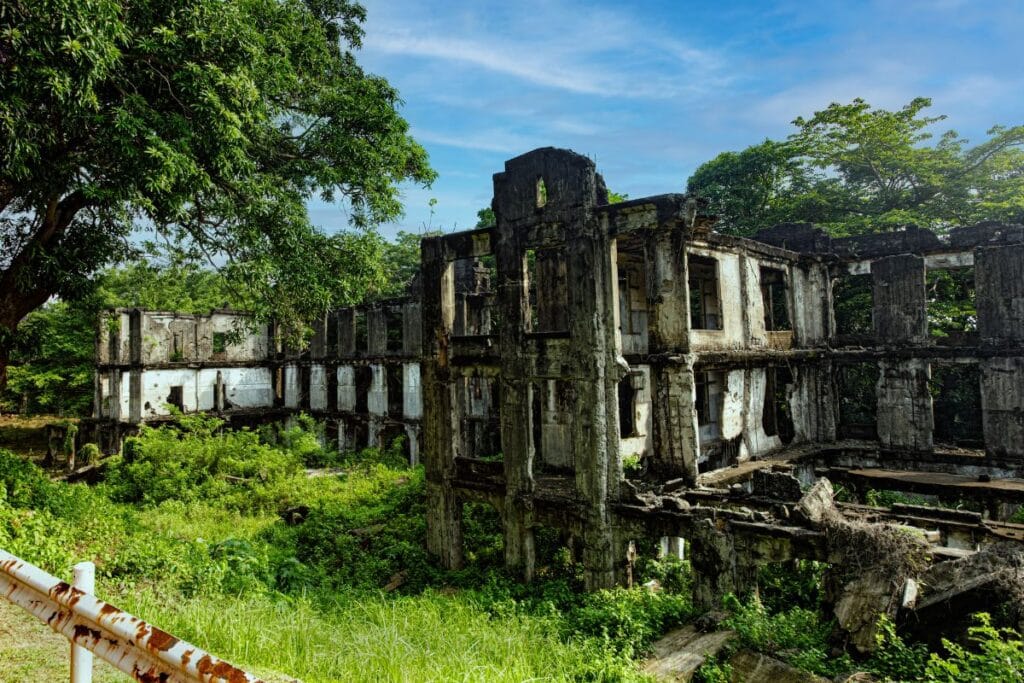
Corregidor Island was the last defense of Filipino and American troops during the Japanese invasion in World War II.
It was first built up by the Spanish in the 1800s to guard the entrance of Manila Bay. The island looks like a tadpole and is divided into four parts called Topside, Middleside, Bottomside, and Tail End.
The Malinta Tunnel was one of its most important sites. It had 24 side rooms that were used as a hospital and a bomb shelter.
General Douglas MacArthur once used Corregidor as his base before he moved to Australia. The island was taken by Japan in 1942 and later regained by Allied forces in 1945.
Today, its tunnels and ruins still show the bravery and struggles of that time.
3. Vigan

Vigan is one of the best-preserved Spanish colonial towns in Asia. Walking through its cobblestone streets feels like stepping back in time.
It was founded in 1572 by the Spanish explorer Juan de Salcedo and shows what life looked like from the 1500s to the 1800s.
The town’s name came from the Ilocano word biga, a plant that once grew along the Mestizo River. Many of its houses are made from adobe, capiz shells, and hardwood, showing the mix of Filipino and Spanish design.
In 1999, Vigan was named a UNESCO World Heritage Site for keeping its history alive. Nearby, the Bantay Bell Tower stands tall, once used as a watchtower during wars.
4. Banaue Rice Terraces

The Banaue Rice Terraces were built by the Ifugao people more than 2,000 years ago. They carved the mountains by hand using only simple tools, and farmers still grow rice there today.
The terraces rise about 4,900 feet above sea level and are fed by water from mountain springs and rain that flows through stone canals.
The terraces are part of the UNESCO World Heritage Sites in the Philippines and are often called the “Eighth Wonder of the World.”
Locals say their ancestors built them so their children would never go hungry. The view of the green steps across the mountains shows the skill and hard work of the Ifugao people.
5. Taal Volcano

Taal Volcano may look calm from far away, but it has erupted more than 39 times since records began. Its first known eruption was in 1572, and the biggest one happened in 1754, lasting about 200 days.
The eruption changed the shape of the land and helped form what we now call Taal Lake.There are over 47 small craters inside the volcano, and under the lake lie old towns, churches, and cemeteries that sank after past eruptions.
Because Taal is still active, scientists keep a close watch on it for any signs of movement. Today, it’s one of the most visited natural sites in Batangas for its beauty and history.
6. Chocolate Hills

The Chocolate Hills in Bohol are one of the most famous natural sights in the Philippines. There are about 1,200 to 1,700 of these cone-shaped hills spread across more than 50 square kilometers.
Each hill is made of limestone and clay and covered with green grass that turns brown during the dry season, which is why they are called the Chocolate Hills. Many local stories try to explain how they formed.
One legend says the hills came from the tears of a sad giant, while another tells of two giants throwing rocks at each other until they became friends. Scientists say the hills formed over time as rain and erosion shaped the land.
In 1988, the area was named a National Geological Monument to protect it.
7. Barasoain Church
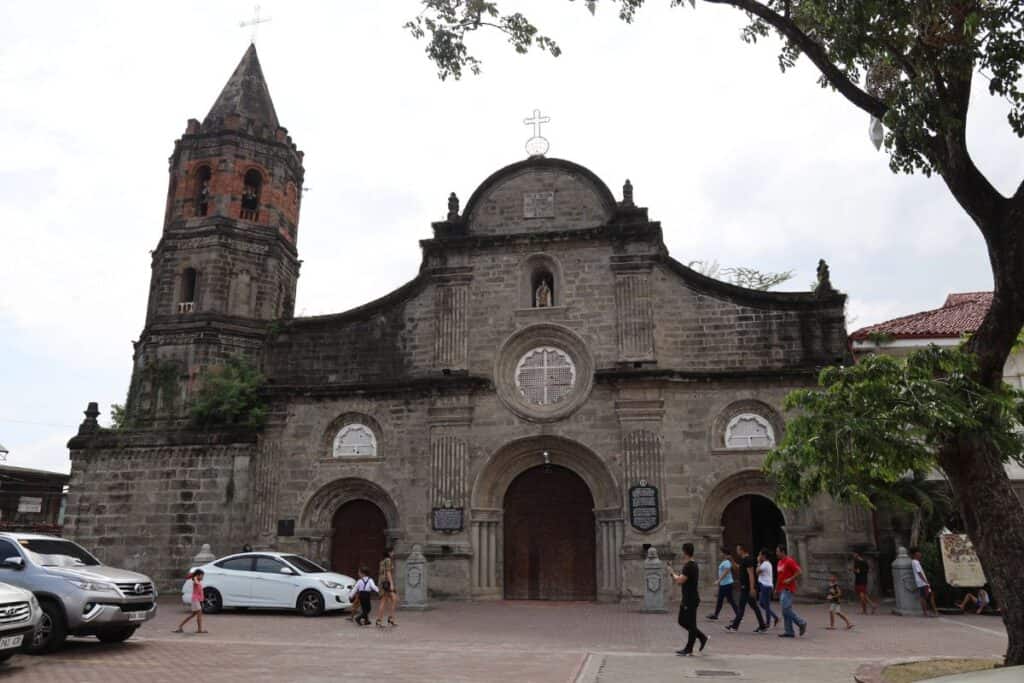
Barasoain Church in Malolos, Bulacan, is one of the most important places in Philippine history. It was built in 1888 and became the center of the country’s first steps toward democracy. In 1898, the First Philippine Congress met here to write the Malolos Constitution, which set up the laws for the new government.
A year later, in 1899, the First Philippine Republic was officially declared inside this church, led by President Emilio Aguinaldo. Because of its great role in history, Barasoain Church was even shown on the old 10-peso bill.
Today, it still stands as a symbol of freedom and national pride.
8. Las Casas Filipinas de Acuzar

Las Casas Filipinas de Acuzar in Bagac, Bataan, is like stepping into a town from the past. It was started by Filipino architect and collector Jose Acuzar, who wanted to save old houses from being forgotten.
More than 30 heritage homes from places like Bulacan, Ilocos, Pampanga, Binondo, and Tondo were carefully moved and rebuilt piece by piece inside the resort.
The area has cobblestone streets, brick plazas, and restored buildings that show the beauty of Filipino and Spanish design. Las Casas aims to keep the country’s old architecture and crafts alive while giving visitors a chance to walk through real pieces of history.
9. Fort Pilar
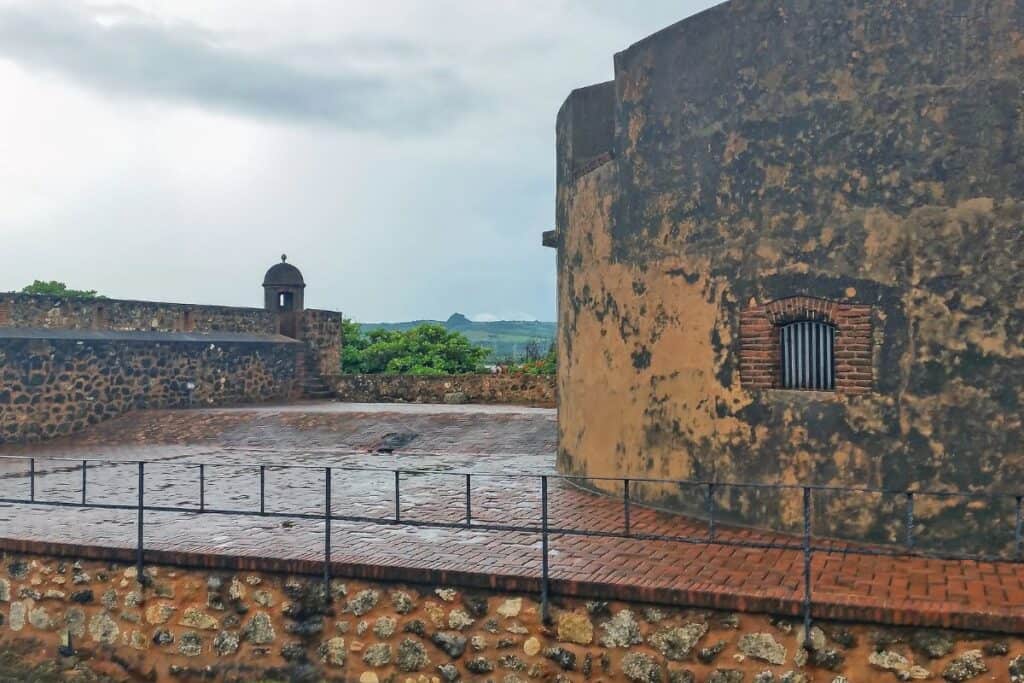
Fort Pilar in Zamboanga City is both a historic fortress and a place of faith. It was built in 1635 by the Spanish to protect the area from Moro raiders and was first known as Real Fuerza de San Jose.
Through the years, it served as a military base, trading post, and later a shrine that remains important to locals today.
Inside the fort is the National Museum, Western Mindanao, which shows Zamboanga’s rich history and culture. Outside the walls stands the Fort Pilar Shrine, built in honor of Nuestra Señora del Pilar, the city’s patron saint.
Both American and Japanese forces used the fort during World War II, adding more layers to its long story.
10. San Juanico Bridge Legends
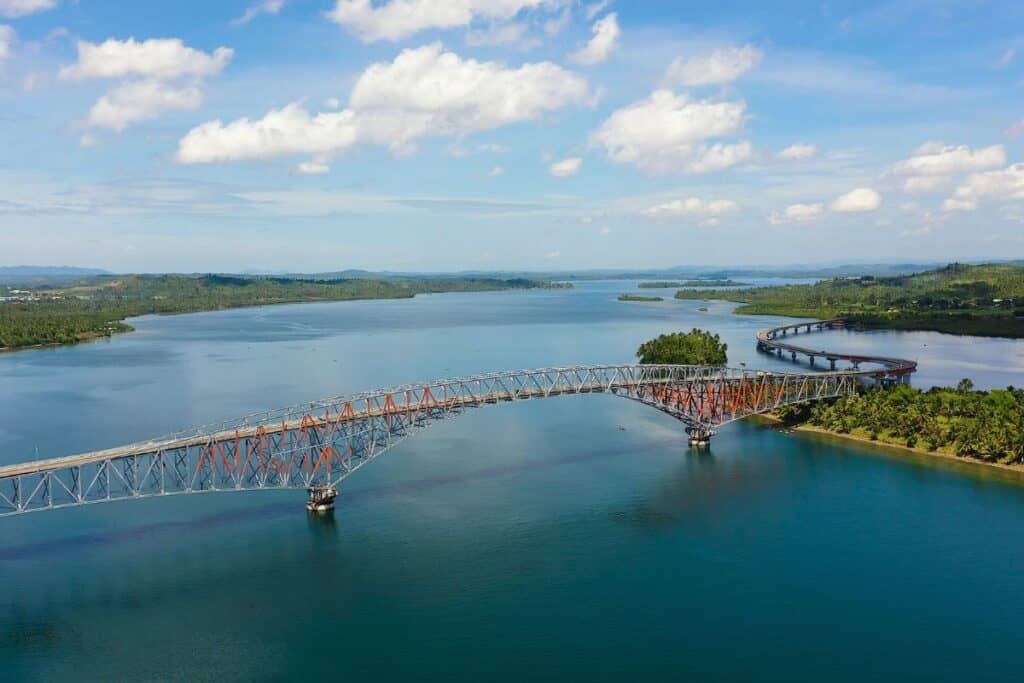
San Juanico Bridge is the longest bridge in the Philippines, stretching 2.16 kilometers across the San Juanico Strait. It was finished in 1973 during the time of President Ferdinand Marcos to connect the islands of Leyte and Samar.
The bridge was designed to handle strong water currents and earthquakes, making it one of the country’s biggest engineering works.
But aside from its beauty, locals tell spooky stories about it. Some say strange things happen at night or that old rituals were done during its construction.
11. Sagada’s Hanging Coffins

Sagada in Mountain Province is famous for its hanging coffins, an ancient way of burying the dead.
The Igorot people have followed this tradition for more than 2,000 years. The coffins are made from hollowed-out pine logs and placed high on cliff walls.
Elders believed that being above the ground brought the dead closer to the spirits.
Not everyone was given this kind of burial; only respected elders or important community members were. The most well-known place to see them is Echo Valley, where visitors can look up and see the wooden coffins resting peacefully on the rocks.
Sagada’s hanging coffins are just one of the region’s hidden gems, with more to discover nearby, including attractions in Baguio.
12. Magellan’s Cross

Magellan’s Cross in Cebu City marks the beginning of Christianity in the Philippines. It was placed in 1521 by Spanish explorers under Ferdinand Magellan after they landed on the island.
The cross stands near the Basilica Minore del Santo Niño and is one of Cebu’s most famous landmarks. The original cross is said to be inside another wooden cross made of tindalo to keep it safe.
Old stories say some locals once tried to chip pieces off it, believing they had special powers or could bring good luck. The site also marks where Rajah Humabon, his wife, and around 800 followers were baptized, starting a new chapter in the country’s history.
13. The Ruins in Bacolod

The Ruins in Bacolod City is one of the most beautiful reminders of love and war in the Philippines. It was built in the early 1900s by Don Mariano Ledesma Lacson in memory of his wife.
The mansion followed Italian-style design, made with strong concrete, marble, and hardwood.
During World War II, Filipino guerrillas burned it down to stop Japanese forces from using it as a base. The walls survived the fire because they were made from imported concrete and coral stones.
Today, people call it the “Taj Mahal of Negros” for its romantic story and lasting beauty.
📢 Join the community! Make sure you join our Philippines Hidden Gems – Travel Community. This is the place to ask any questions about your trip, to be inspired, and to connect with other Philippines travelers. Click here to join!
14. Miagao Church

Miagao Church in Iloilo is one of the strongest and most beautiful churches in the country. It was built in 1787 and finished in 1797 during Spanish rule.
The church has walls about 1.5 meters thick, made from coral, limestone, and adobe, which helped it stand through wars and earthquakes.
The front of the church shows a carving of Saint Christopher carrying the Child Jesus, surrounded by local plants and flowers, a mix of faith and Filipino art.
It also served as a fort against Moro raids in the 1700s and 1800s. Today, Miagao Church is a UNESCO World Heritage Site and one of the Baroque Churches of the Philippines.
Travel Tips for Visiting Historical Sites in the Philippines
🗓️ Do a Little Homework First– Check the opening hours, dress rules, and any entrance fees. Some heritage spots also require permits or registration.
🧭 Ask Locals or Guides – Caretakers, tour guides, or nearby residents can point you to the best routes, hidden details, and safe areas to explore.
🎒 Bring the Basics – Carry water, a hand fan, hat, small first aid kit, and power bank. Many old sites don’t have nearby shops or charging spots.
📵 Expect Weak or No Signal – Download maps, tickets, or references ahead of time. Some historic areas are far from strong network coverage.
🙏 Be Respectful of the Place – Walk gently, avoid touching fragile structures, and follow posted rules. These sites are protected for cultural and historical reasons.
Keeping Our Stories Alive

The Philippines is more than beaches and food; it’s a country filled with stories written in stone, wood, and memory.
Each place you just read about holds lessons from the past that still shape how we live today. Visiting these sites reminds us of the strength, faith, and creativity of the Filipino people.
So next time you travel, take a moment to explore our history, the Philippines’ best kept historical sites you won’t find in guidebooks are waiting to tell you their stories. It’s one of the best ways to truly know who we are.
🧭 Travel Resources for the Philippines
Planning a trip around the Philippines? Here are trusted websites and tools to book flights, ferries, hotels, tours, and everything else you’ll need for smooth island-hopping.
✈️ Flights Between Islands
Find the best domestic and international flight deals with 12Go or Skyscanner, and check budget airlines like Cebu Pacific, AirAsia, and Philippine Airlines for cheap inter-island connections.
⛴️ Ferries and Island Transfers
Book ferries between popular islands like Cebu, Bohol, Siquijor, and Palawan on 12Go, which lists updated schedules, routes, and ticket prices for operators like OceanJet, Montenegro Lines, and 2GO Travel.
🏨 Where to Book Your Stay
Choose from beachfront resorts, city hotels, or private stays with Booking.com, Agoda, Airbnb, or Vrbo for family-friendly rentals.
🚗 Getting Around
Compare car rentals on Rentalcars.com or DiscoverCars, book private transfers via Klook, or use Grab in major cities like Manila, Cebu, and Davao for hassle-free rides.
🌴 Book Tours and Activities
Explore top attractions, island-hopping tours, and cultural experiences with Klook, Viator, or GetYourGuide, which all offer easy online booking and reviews.
📶 Stay Connected
Stay online with an Airalo eSIM, rent pocket WiFi from Klook for groups, or buy a local Globe or Smart SIM card upon arrival at the airport.
💸 Cash, ATMs, and Payments
Always carry pesos for small towns and markets, as card payments aren’t widely accepted in remote areas and ATMs can be limited on smaller islands.
🧳 Travel Insurance
Protect yourself from flight delays, medical emergencies, and trip cancellations with flexible plans from SafetyWing, HeyMondo, or World Nomads.
Check Out These Recommended Articles:
- Spot Rare Wildlife in the Philippines Without the Long Wait
- 10 Invisible Philippine Destinations with Surprising Culinary Delights
- Rainy Season in the Philippines? Here’s Why It’s Still Worth Visiting
- How to Capture the Hidden Beauty of the Philippines Through Your Lens
- Which Philippine Island to Visit This Season?
- How to Plan a Week Exploring the Philippines’ Hidden Treasures
- 10 Underappreciated Architectural Gems in the Philippines
- Iconic vs. Hidden: The Philippines Landmark Showdown You Didn’t Know You Needed

About the Author
Hey, I’m Anjie! I love to travel, try local food, and sometimes get a little lost just to see what I’ll discover. I’m obsessed with nature and the sound of waves. That’s why I live where I can take a quick drive to watch the sunset and enjoy the ocean view.
I never start an adventure without iced coffee. I share hidden places in the Philippines because I want others to feel the same peace and joy I do when I find something beautiful and unexpected.