

3 Day Itinerary for Siquijor: What To Do and See
This article may contain affiliate links. This means we receive a small commission whenever you book or purchase something through our links (at no extra cost to you!). You can find more information in our disclaimer.
How do you plan a perfect 3 day itinerary for Siquijor?
As a local who lives just an island away from Siquijor and someone who has visited the island for three different trips, let me tell you the Siquijor itinerary that I always use whenever I visit Isla del Fuego. 😉

But first, if you haven’t heard of Siquijor before, it is a mystical paradise in the Philippines that is often called the “Island of Fire”.
This island offers beautiful beaches, cascading waterfalls, historical churches, a unique cultural experience, must-try local foods, and maybe one of the best sunsets you will ever see.
In this guide, we will focus on a 3 day itinerary for Siquijor. A trip not too short nor too long, just enough to experience the best of Siquijor.
Let’s also say that you arrive at Siquijor Port and have booked accommodation around the San Juan area.
I’ll also drop some useful tips in between that you can use for a seamless vacation.

The Perfect 3 Day Itinerary for Siquijor
Day 1: Arrival and Coastal Tour
🚩 Siquijor Triangular Landmark

As you arrive on the beautiful island of Siquijor, you might be greeted by a sight that pops with color: the Siquijor Triangular Landmark.
This eye-catching monument, just outside Siquijor Port, is made of concrete and painted in bright hues.
It’s become a favorite spot for visitors to snap a photo as a souvenir of their Siquijor adventure.
While it may not be an ancient artifact, the landmark offers a glimpse into Siquijor’s unique personality.
However, there aren’t currently any historical plaques or signs around the monument itself.
But hey, the St. Francis of Assisi Church and Bell Tower in the background fills that gap.

Sign up now to grab your FREE guide to 50 hidden gems in the Philippines!
🌊 Paliton Beach

After or before dropping your bags at your accommodation, Paliton Beach, located in the town of San Juan, is a tourist destination that deserves a spot on your Siquijor itinerary.
This place boasts clear waters, soft white sand, and breathtaking sunset vistas.
Visit this place and try the famous human drone (yes, you read that right!), that you might have seen somewhere before in your social media feed while swinging on one of the swings.
The beach’s ambiance is perfect for swimming and sunbathing, explaining why it’s a magnet for international visitors or even locals.

My first visit to Paliton Beach was on the final day of 2023, and I was happy that we made the 24-kilometer drive from our starting point to witness the last sunset of the year!
🏞️ Pitogo Cliff
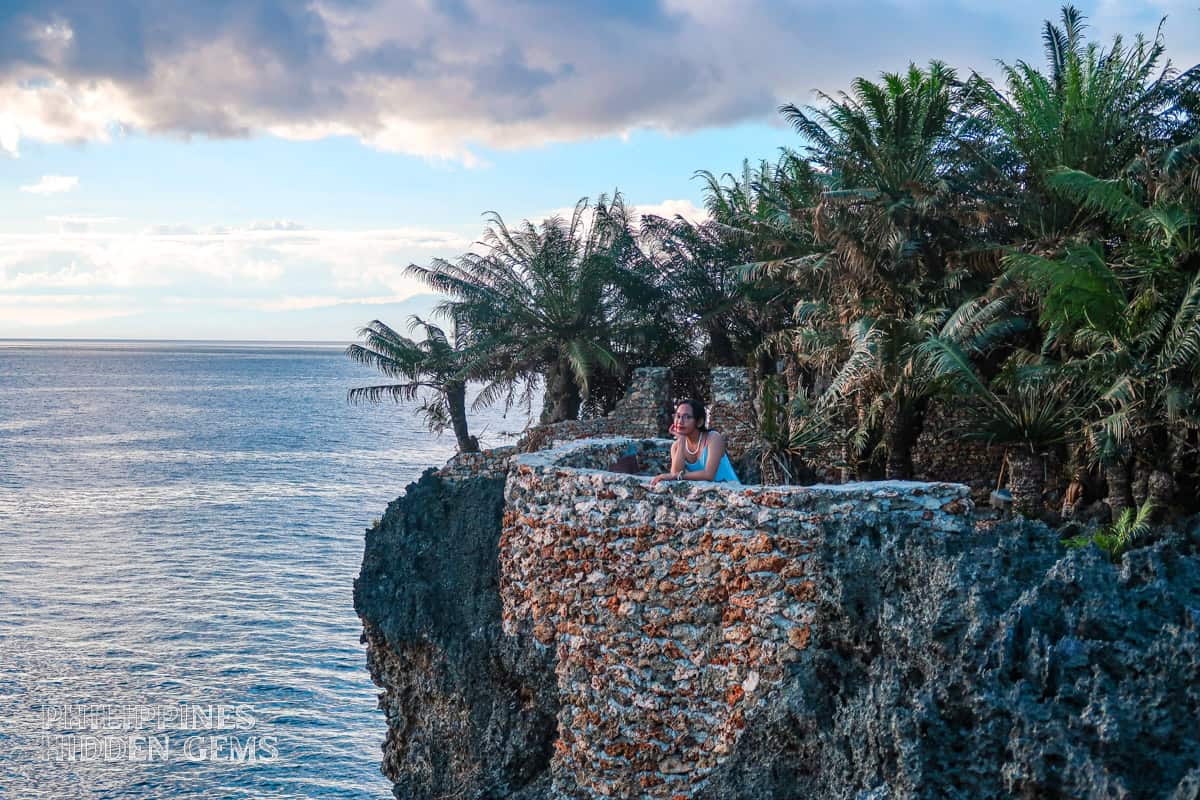
Siquijor’s hidden treasures keep getting better!
On the island’s southwest coast, facing the vast Sulu Sea, lies Pitogo Cliff, a stunning natural wonder recently gaining popularity.
Named after the Pitogo trees that dot the landscape, this cliff offers a jaw-dropping view for just 30 pesos.
It’s like gazing out at the endless ocean meeting the wide-open sky – pure bliss!


Adventurous souls can take the plunge with a cliff dive into the refreshing sea below.
For those preferring a more relaxed experience, simply soak up the incredible panorama, especially during the magical sunset.
There is a stairway that leads down to the cliff’s edge but be aware that, there aren’t any proper railings yet, and the steps can get slippery.
(Update: the railings are already installed so it’s safer to descent on the cliff)
So, taking your time and being extra cautious is important.
While I chickened out on the descent during my last visit, it’s definitely on my list for next time.
📢 Join the community! Make sure you join our Philippines Hidden Gems – Travel Community. This is the place to ask any questions about your trip, to be inspired, and to connect with other Philippines travelers. Click here to join!
⛪ Lazi Church and Convent

For your next stop, a must-see on any Siquijor itinerary is the San Isidro Labrador Parish Church, more commonly known as Lazi Church.
This stunning church, built in 1857, is a prime example of Baroque architecture in the Philippines. It’s no surprise it’s a contender for UNESCO World Heritage Site status!

The church complex is even more impressive with the addition of one of the biggest and oldest convents in the country, built just 30 years later.
While some interior walls have been removed in the convent, the overall design elements remain beautifully preserved.
Recognizing its cultural and historical significance, not only for Siquijor but for the entire Philippines, Lazi Church, and its convent have been declared National Historical Landmarks.
It’s a perfect stop before or after exploring other nearby gems like Cambugahay Falls.
🏞 Cambugahay Falls

Did I say Cambugahay Falls?
One of the favorite tourist spots among visitors, especially first-timers.
It’s a three-tiered waterfall in the heart of Lazi, Siquijor with mesmerizing turquoise waters, and natural pools to dip into.
But that’s not all—rope swings and even human drones add to the adventure.

You can take a refreshing swim in the pool or climb up the tiers to explore. At the top of the falls, there’s a rope swing for the thrill-seekers.
And if you’re feeling fancy, strike a pose on the giant floating planks—perfect for Instagram-worthy group photos!
Sure, the steep stairs might give your legs a workout, but trust me, it’s worth it!
🌊 Salagdoong Beach

Now back to the coast. A well-loved spot known for its crystal-clear waters and majestic rock formations, Salagdoong Beach is a paradise for those who enjoy swimming, snorkeling, and cliff diving.
I remember my college days when I visited Salagdoong Beach. I bravely attempted a cliff jump, but let’s just say my landing wasn’t graceful—I ended up with a sore back!


The path to the beach is lined with molave trees, creating a serene atmosphere. And the fresh, clean air adds to the magic of the place.
Recently, the beach underwent renovations, but it’s now open to the public again.
Day 2: Mountain Tour
🪨 Cantabon Cave
Start your second day with an inclination!
This limestone cave is located in the Barangay of Cantabon.
What makes this cave special and worth a stop on your Siquijor itinerary? Well, it’s all about the natural pools, the dripping stalactites, and the rising stalagmites.
Cantabon Cave stretches an impressive 800 meters, complete with an underground river and stunning formations of white rocks, flowstones, columns, stalactites, and stalagmites.
Local guides will guide you through a small hole in the ground, and suddenly, you’re surrounded by hundreds of hanging stalactites.
A gentle stream of fresh water flows through the cave, creating serene natural swimming pools.
It’s like discovering a hidden gem in Siquijor’s rich landscape.
⛰️ Bandilaan Nature Park
Ascending more to the mountains. A protected area worth exploring that covers around 244 hectares, Bandilaan Nature Park is a haven for diverse flora and fauna.
This peak stands tall at 557 meters above sea level, making it Siquijor’s highest point.
What can you do there? Well, hiking, birdwatching, and capturing 360-degree island views for your photo album.
But here’s the scoop: the road to Mount Bandilaan is no walk in the park. It’s steep, and some parts are a bit rugged.
So, avoid late afternoons—those towering trees and lack of railings can catch you off guard. And rainy weather? Slippery moss-covered roads aren’t ideal.
🦋 Siquijor Butterly Garden

For an up-close experience after viewing the whole island, Siquijor Butterfly Garden, a haven for butterflies is your next stop. You’ll find it tucked away in Cang-apa, Siquijor.
Add this to your Siquijor itinerary and you’ll encounter a kaleidoscope of colorful butterflies. They flutter freely in a beautifully designed and netted space, surrounded by manicured plants.


Although the garden isn’t huge, it’s a hotspot for both local and foreign tourists.
Don’t forget your camera—you’ll want to capture the beauty of these winged specimens.
The entrance fee is just Php 100, with a donation box for those who want to support conservation efforts.
🏞 Locong Falls

And now, we’re going down to Lazi, which is home to several beautiful waterfalls, including the lesser-known Locong Falls.
Locong Falls is not as well-known as other waterfalls in Siquijor, so you can visit at any time of day without encountering many other tourists.


During our visit, there were only a few other visitors, allowing us to enjoy the tranquil beauty of the falls without crowds or distractions.
If you’re looking for a quieter alternative to popular falls like Cambugahay Falls, this fall is an excellent choice.
The trail to the falls is relatively easy, with a gentle slope and you can even hire a local guide to accompany you. Plus, the entrance fee is also affordable at only Php 50.
🧹 Hapitanan

Siquijor isn’t shy about its reputation as a mystical island, and the little stopover called Hapitanan in Lazi playfully embraces that spirit.
Literally translating to “a place you pass by” in Bisaya, Hapitanan is a roadside attraction with a small resto.
It’s not a sprawling beach or a historic landmark, but a fun spot to take a quick break and capture a photo that embodies the island’s playful energy.


While it might not be a full-day destination, it’s a charming spot to stretch your legs, grab a cool drink, eat a hearty meal, and capture a photo with a broomstick in the air that can perfectly add to your Siquijor experience.
🌳 Old Enchanted Balete Tree

Your Siquijor itinerary won’t be complete without visiting this 400-year-old balete tree in Barangay Campalanas.
This ancient tree is among the oldest of its kind in the Philippines, admired for its immense size and peculiar appearance. Its fame has attracted many curious tourists eager to witness its grandeur.
While here, you can enjoy a unique experience by dipping your feet in the natural spring surrounding the tree.
Fish nibble on the dead skin, creating a tickling sensation that you may find amusing.
Additionally, there’s a souvenir shop offering potions, shirts, caps, amulets, and other items for purchase.
Day 3: Departure and Optional Activities
There are several options for spending your last day in Isla del Fuego but I’ll drop two and a note.
🪸 Snorkeling or diving

For a glimpse into Siquijor’s vibrant marine life, consider a snorkeling trip.
Explore a nearby marine sanctuary, like Tubod, Paliton or Caticugan, and marvel at colorful coral reefs teeming with exotic fish.
Glide alongside schools of vibrant fish and keep an eye out for playful sea turtles.

Certified divers can explore Siquijor’s underwater wonders. Dramatic wall dives, unique macro life, and even sunken wrecks await you!
With over 20 dive sites, there’s something for all experience levels.
🔮 Healing or witchcraft

Siquijor’s charm extends beyond beautiful beaches and waterfalls.
The island has a rich tradition of folk healing, with local healers called “mananambal” using natural remedies and rituals passed down for generations.

This unique practice draws curious visitors interested in experiencing Siquijor’s mystical side. If you’re open to it, consider seeking out a mananambal during your visit.
You might even get lucky – legend has it some healers blend right in with the locals!
📢 Note: (If not snorkeling/diving/healing/witchcraft): Explore local shops for souvenirs, eat more Siquijor delicacies like a Torta, interact with the locals, relax by the beach, or visit a Siquijor tourist spot that may not be included in your initial itinerary.


Is Siquijor Worth Visiting?

Absolutely!
Siquijor offers a unique blend of natural beauty, cultural heritage, and a touch of mystery.
I already visited the island on three different occasions and the island only had a lot of things to do and new places to visit each time I spent my vacation here.
Plus, the no-traffic roads also add to the reason why!
Where is Siquijor, Philippines Located?

Siquijor is a small island province in the Central Visayas region of the Philippines.
It is located southeast of Cebu and Negros islands and southwest of Bohol and can be accessed by ferry from nearby ports such as Dumaguete, Tagbilaran, Liloan, and Cebu.
Why is Siquijor Called the Island of Fire?

Siquijor is nicknamed the “Island of Fire” because of the eerie glow produced by the countless fireflies that inhabit the island, especially in areas with plenty of molave trees.
At night, these fireflies light up the trees, creating a magical and enchanting spectacle that has captivated visitors for generations.
This natural phenomenon, along with the island’s mystic charm and rich history, has contributed to its reputation as a mystical and magical place.
Best Time to Visit Siquijor Island

The dry season, from November to May, is generally considered the best time to visit Siquijor. During this period, you can expect sunny skies, minimal rainfall, and pleasant temperatures perfect for outdoor activities.
However, Siquijor can be enjoyed year-round. The wet season (June to October) brings lush greenery and occasional showers.
If you don’t mind the occasional rain and are looking for discounted rates, the shoulder seasons (May-June and September-October) can be a good option.
How to Get to Siquijor?
Siquijor Island is calling and luckily, getting there is a breeze. While air travel is an option, getting to the island is relatively easy with frequent ferry connections from nearby ports.

⛴️ From Dumaguete (Negros Oriental)
A ferry from Dumaguete to Siquijor is the most common jumping-off point. You’re spoiled for choice with fast ferries from OceanJet, ferries from Montenegro Shipping, Aleson Shipping, and the new HS Star Marine Shipping Corp. (MV “Anika Star”). If you’re coming from Manila, this route is also your ideal gateway to the province.
⛴️ From Cebu
For a more adventurous route, take the connecting OceanJet ferry from Cebu via Tagbilaran (Bohol) to Siquijor. Alternatively, catch a ferry directly from Liloan Port in Cebu, though expect a longer journey (around 6 hours) before arriving at Siquijor Port.
This includes the land trip going to the south. For a more detailed guide, read my post on “The Best Way to Get from Cebu to Siquijor“.
📢 GOOD NEWS! Starting December 15, 2025, Sunlight Air company will launch its new route from Cebu to Siquijor 4 times a week (Monday, Wednesday, Friday, and Sunday).
⛴️ From Bohol
Island hopping made easy! Hop on the OceanJet ferry from Tagbilaran directly to Siquijor. Another option is the Lite Ferry, connecting Tagbilaran with Larena in Siquijor.
How Do You Get Around Siquijor Island?
Siquijor is best explored at your own pace, and luckily, there are a few ways to get around that fit different styles and budgets.

🛵 Motorbike Rental
Scooting around the island on a motorbike is the most popular choice. Rates range from PHP 300-500 a day, giving you complete freedom to discover hidden waterfalls, pristine beaches, and vibrant coral reefs.
🤔 Want a local’s perspective? Ask around about motorbike rentals. You might find friendly owners who can point you towards secret spots, just like my college friend who even joined us as a guide on our last trip!
🛺 Tricycle
Tricycles are another fun way to travel. They’re slower than motorbikes but lighter on your wallet, costing around PHP 1,000 for a day’s travel. You’ll have your own driver and it can fit up to five people.
🚙 Siquijor Tour Packages
If you prefer to relax and soak up the sights without worrying about navigation, consider a Siquijor tour package. These tours take you to all the must-see spots, from the ancient Balete Tree to the refreshing Cambugahay Falls. Your guide will handle everything, letting you simply enjoy the island’s beauty.
🚙 Jeepney
Jeepneys, a colorful Filipino icon, are also found on Siquijor. They’re a great option for budget travelers consisting of big groups, costing around PHP 1,500 a day. Keep in mind they travel at a slower pace compared to motorbikes but offer a unique way to experience the island alongside locals and with much comfort.
How Long Does it Take to Drive Around Siquijor?
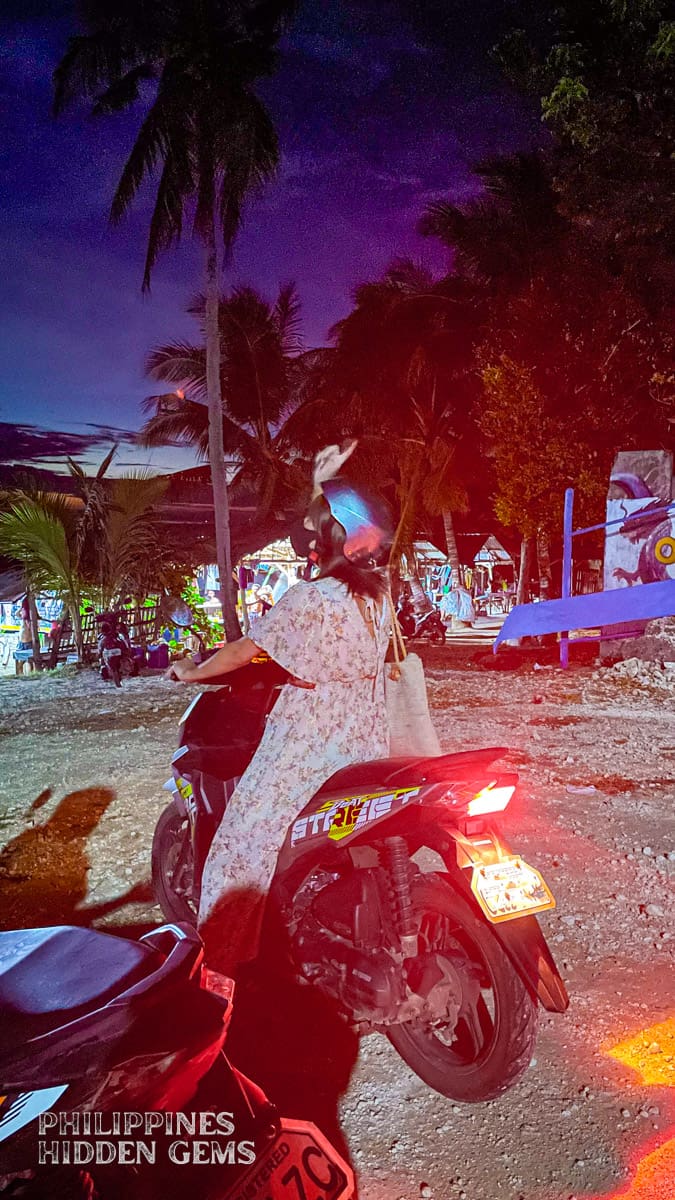
Siquijor is a small island with a well-maintained road that offers scenic views, and driving around the entire circumference can take approximately 2-3 hours.
However, it’s important to note that the actual time may vary depending on your driving speed and how often you stop to admire the sights or take photos.
Where to Stay in Siquijor?

Siquijor offers a variety of accommodation options to suit different budgets and preferences. Here are some great options:
🛌🏻 Guesthouse: Payag n’ Kapitan, Experience pinubre living
This cozy guesthouse near the Siquijor Port Beach is perfect for budget travelers. Enjoy air-conditioned rooms, free Wi-Fi, and a delicious breakfast to start your day. The property has a garden where you can relax and soak up the island vibes!
🛌🏻 Budget Resort: E&N Paradise Island Resort
This affordable resort in San Juan offers comfortable rooms with air-conditioning, private bathrooms, and all the essentials – including free Wi-Fi and room service! Plus, it’s just a minute away from the popular Pitogo Cliff.
🛌🏻 Mid-range Resort: VILLA MARMARINE BEACH RESORT & RESTAURANT

Owned by a friendly Japanese family, this beach resort boasts spacious rooms and stunning views of Candanay Sur Beach. Enjoy air-conditioned comfort, free Wi-Fi, and delicious meals featuring both local and Japanese flavors.
🛌🏻 Luxury Resort: Coco Grove Beach Resort, Siquijor Island

Indulge yourself at this upscale beachfront resort in Siquijor. Unwind in luxurious rooms, savor delectable local and international cuisine, and watch the breathtaking sunset paint the white sand beach golden. Maybe the best part is sipping on a refreshing fruit shake while soaking up paradise.
🛌🏻 Glamping Resort: Aquamare Beach Camp Resort

This beachfront glamping resort in Siquijor offers the perfect blend of relaxation and adventure. Stay in a stylish tent or room, enjoy the private beach and pool, and savor meals at their cozy restaurant and bar. With 24-hour service, free Wi-Fi, and private parking, your comfort is guaranteed. Experience the glamping trend in a beautiful and peaceful location without breaking the bank.
What to Pack on Your Siquijor Trip?
When preparing for your trip to Siquijor it’s essential to pack wisely for the tropical climate and unique experiences you’ll encounter. Here’s a list to ensure you’re well-prepared:
👕 Light, Breathable Clothing: Siquijor’s weather is typically warm and humid, so pack light, breathable fabrics like cotton and linen. Include shorts, T-shirts, and sundresses for comfort.
😎 Sun Protection: The sun can be intense, so bring a high SPF sunscreen, sunglasses with UV protection, and a wide-brimmed hat to shield yourself from sunburn.
🦟 Insect Repellent: To protect yourself from mosquitoes and other insects, especially during the evening, bring insect repellent containing DEET or picaridin.
🩴 Comfortable Footwear: As you’ll likely explore the island on foot, pack comfortable walking shoes or sandals with good grip.
💊 Medications and First Aid Kit: Carry your essential medications in their original containers, along with a basic first aid kit for minor injuries or illnesses.
🥤 Reusable Water Bottle: Stay hydrated by bringing a tumbler or refillable water bottle. Consider purchasing bottled water, as tap water may not be safe to drink.
💸 Cash and ATM Cards: While some establishments accept credit cards, it’s advisable to carry cash, as ATMs may not be readily available. Have enough for meals, souvenirs, and entrance fees.
🪪 Travel Documents (especially for foreigners): Bring your passport, visa (if required), travel insurance, and any other necessary documents in a waterproof pouch or bag.
📸 Electronics and Accessories: Don’t forget your camera or smartphone to capture the island’s beauty. Pack a power bank, adapter, and charging cables to keep your devices powered.
🎒 Daypack or Beach Bag: Carry a lightweight bag for day trips or beach outings to store your essentials like water, sunscreen, and a towel.
Frequently Asked Questions
Wrapping Up: The Perfect 3 Day Itinerary for Siquijor

This 3-day Siquijor itinerary provides a glimpse into the magic of Siquijor.
From exploring beautiful beaches and cascading waterfalls to exploring the island’s history and folklore, Siquijor offers something for every traveler.
Remember, this is just a starting point and you can adjust this Siquijor itinerary based on your interests and time constraints.
So, pack your bags, embrace the island vibes, and create unforgettable memories in the “Island of Fire” in 2026.
🏝️ Travel Resources for Your Siquijor Trip
Here’s everything you need to book your trip to Siquijor—ferries, places to stay, local transport, and more.
How to Get to Siquijor – Book ferry tickets to Siquijor from Dumaguete, Bohol, or Cebu using 12Go, which shows updated routes, schedules, and prices from trusted ferry and flight operators.
Where to Book Your Stay – Find beach resorts, guesthouses, and budget hostels in San Juan or Larena through Booking.com, Agoda, Vrbo, or Airbnb, with options for every budget.
Getting Around the Island – Rent a motorbike (₱300–₱500/day), hop on a tricycle for short rides or full-day tours, or ask your hotel to arrange private transport for longer routes.
Book Tours and Activities – Explore waterfalls, caves, and beaches by booking guided experiences on Klook , GetYourGuide, or Viator, or simply ask locals once you’re on the island.
Stay Connected – Use an Airalo eSIM for reliable data, rent pocket WiFi from Klook if you’re in a group, or grab a Globe or Smart SIM card before you arrive.
Cash, ATMs, and Payments – Bring enough pesos before heading to the island, as ATMs are limited and card payments are rarely accepted outside major resorts.
Travel Insurance – Protect your trip with coverage from SafetyWing, HeyMondo, or World Nomads, especially if you’re riding motorbikes or joining outdoor tours.
Check Out These Recommended Articles:
- How to Travel from Bohol to Siquijor: A Complete Guide
- How to Travel from Dumaguete to Siquijor: A Complete Guide
- The Best Way to Get from Cebu to Siquijor: Tips, Tricks, and Recommendations
- Manila to Siquijor: Best Routes and Tips Going to Isla del Fuego
- 17 Amazing Siquijor Tourist Spots You Can’t Miss
- Siquijor Witchcraft: The Truth Behind the Island of Fire
- How to Plan a Week Exploring the Philippines’ Hidden Treasures
- 13 Quick Itineraries for Spontaneous Road Trips Across the Philippines’ Hidden Trails

About the Author
Hi! I’m Kristine (aka KR). I’m the main developer of Philippine Hidden Gems. My work includes going to places to cover events and places that I’m happy to share with the readers.
Even though I’m an introvert who loves to read and stay indoors all the time, I love to travel outside the country (at least once a year) and nearby regions within PH.
My recent hobbies include learning Japanese culture and exploring the world of K-Pop as a Carat.


