Beware: Common Mistakes to Avoid in Philippine Outskirts
This article may contain affiliate links. This means we receive a small commission whenever you book or purchase something through our links (at no extra cost to you!). You can find more information in our disclaimer.
Dreaming of exploring the quiet side of the Philippines? The countryside is filled with rice terraces, clear rivers, and green mountains that feel untouched by time.
But remember, traveling in remote areas isn’t the same as city hopping. Roads can be rough, phone signal may drop, and local services often move slower.

With the right info, your adventure can stay smooth, safe, and unforgettable.
10 Common Mistakes to Avoid
1. Know the Roads and Terrain

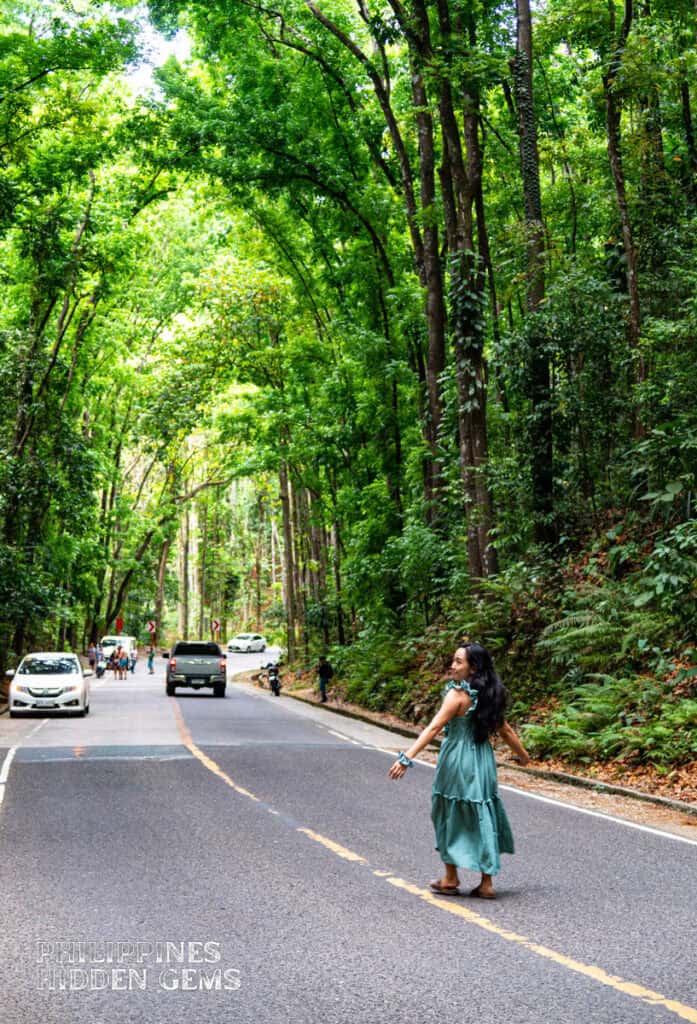
Many rural areas in the Philippines have narrow or rough roads, especially in mountain towns like Sagada or Kalinga where the terrain gets tricky when it rains. Roads can become muddy or slippery.
In places with weak signal and unreliable GPS, it’s best to download offline maps before your trip.
If you rent a motorbike or car, check the tires and brakes beforehand and travel during daylight.
Local rides like jeepneys, tricycles, and motorbike taxis usually stop running early, so plan accordingly.

Sign up now to grab your FREE guide to 50 hidden gems in the Philippines!
✅ Tip: Before heading out, ask locals about current road conditions. They often know which routes are safe that day, especially after heavy rain.
2. Check the Weather and Seasons

The Philippines has 2 main seasons: dry (Dec–May) and wet (Jun–Nov).
The dry months are the best for travel because there are fewer typhoons and floods. If you visit during the rainy season, especially in Baguio, Samar, or Surigao, watch out for landslides and flash floods.
If you want a better idea of what each month is like, this seasonal guide can help.
Always check the forecast, bring light rain gear, and keep your things covered to stay dry.
3. Travel Safely and Tell Someone Your Plans

In remote spots, phone signal can disappear, so tell someone your plans before hiking, island hopping, or driving long distances.
While the country is generally safe for tourists, rural areas have fewer rescue services and police, so it helps to stay aware of the hidden dangers you might encounter.
Hire a local guide, they know the terrain, weather, and safe routes. Bring a small first-aid kit and a power bank so you’re always ready.
4. Respect Local Culture and Traditions
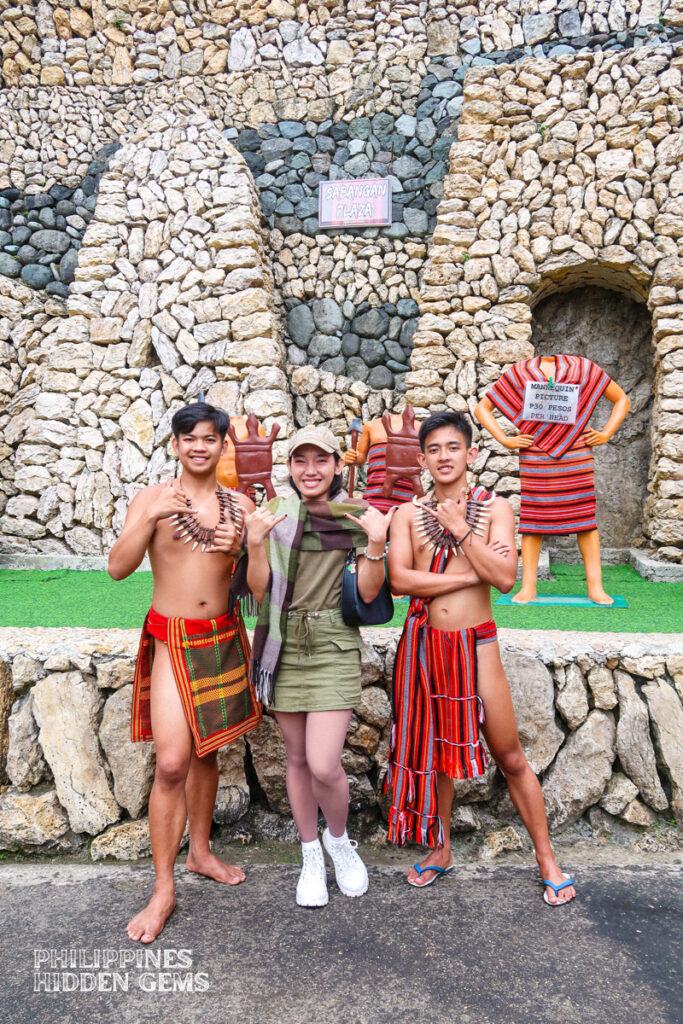
Locals in the countryside are friendly and welcoming, often inviting you for food or coffee. Always show respect and gratitude.
When visiting tribal or ancestral lands, ask permission before entering or taking photos. Dress properly near churches or when visiting indigenous communities.
Learning a few local words like “Salamat” (thank you) and “Kamusta” (how are you) helps build good connections.
✅ Tip: If you’re not sure about the proper behavior in a village or community, simply ask a local or your guide. They can help you understand what is respectful in that specific place.
5. Be Ready for Limited Transport Options

In rural provinces, public transport is limited. Buses may leave only once or twice a day, and tricycles often don’t go all the way to mountain villages.
In many remote areas, motorcycles are the most common way to get around, locals and guides often use them to reach hidden waterfalls, rice terraces, or highland viewpoints that cars can’t access.
Plan your trips early in the morning and avoid traveling at night. Always carry extra cash since many drivers don’t take cards.
In coastal or island areas, boat trips depend on the weather, so delays or cancellations are common.
✅ Tip: If you are unsure about routes or schedules, ask a local or your accommodation staff. They usually know the most reliable transport options for the day.
6. Eat Local but Stay Smart

Filipino food is amazing, even in small towns, but choose stalls where food is cooked fresh and served hot.
Avoid raw seafood and don’t drink tap water. Try safe dishes like adobo, sinuglaw, sinigang, and grilled seafood.
Always bring bottled water and medicine for stomach pain or allergies just in case.
✅ Tip: If you are in Siargao or on any local islands, avoid eating too much raw food like fresh oysters and sea urchin sold on the streets. Yes, they look tasty…but if you are not used to them, you may experience stomach reactions. Also be careful when asking for service water. Water quality can vary in some local areas, and tourists may be more sensitive to it. 😊
7. Stay Connected (When You Can)

In mountain or island areas, phone and internet signal can be weak or even nonexistent.
Even with a local SIM from providers like Globe, Smart, or DITO, coverage can still drop once you reach remote trails or smaller islands.
Globe is especially well known and widely used when traveling around Mindanao, but signal can still vary by location. The Department of Information and Communications Technology (DICT) is improving coverage in 2025, but some areas remain offline.
Download offline maps, save emergency numbers, and bring a power bank before you head out.
8. Money Matters in Rural Areas

The Philippine Peso (₱) is the only accepted currency. Most small stores and drivers don’t take cards, so carry cash with small bills. ATMs are limited and may run out of cash in small towns.
Always agree on prices before riding or hiring a guide. As of November 2025, 1 USD = ₱58, but exchange rates can change anytime.
✅ Tip: When booking local tours, take a moment to compare prices and plan your itinerary carefully. Some tours can be more expensive for tourists, so checking a few options can help you save money and avoid overpaying.
9. Stay Healthy and Ready for Emergencies
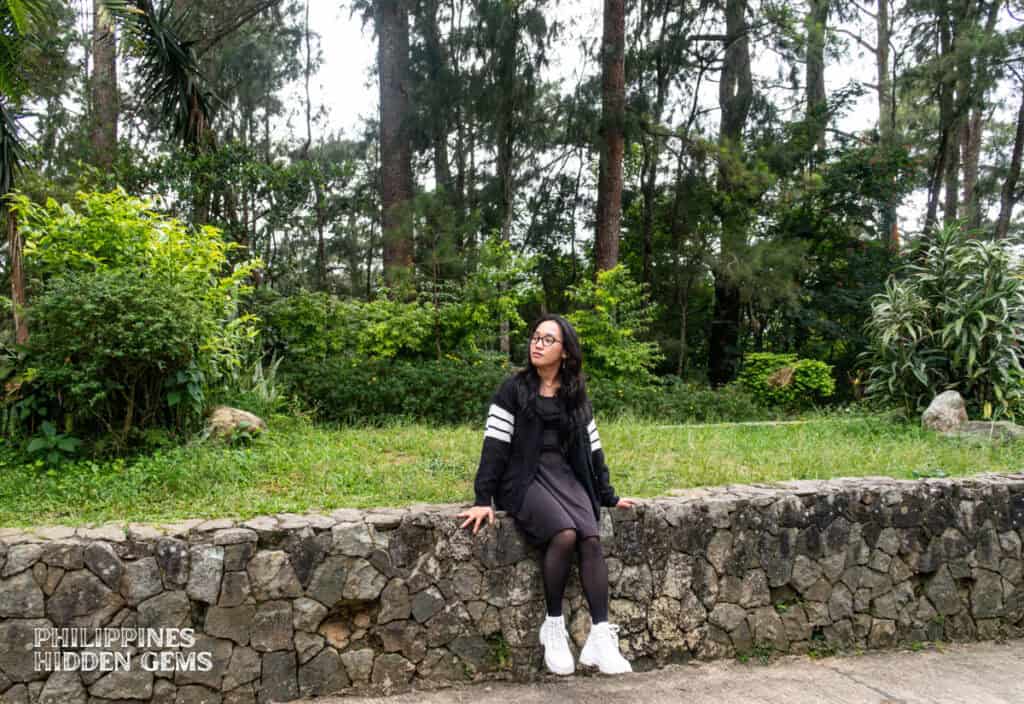
In remote provinces, hospitals or clinics may be over an hour away. Bring your own medicine, insect repellent, sunscreen, and first-aid supplies.
If hiking or exploring forests, wear long sleeves and sturdy shoes. Keep a copy of your ID and travel insurance with you.
If you plan to hike, register with the local tourism office for added safety.
📢 Join the community! Make sure you join our Philippines Hidden Gems – Travel Community. This is the place to ask any questions about your trip, to be inspired, and to connect with other Philippines travelers. Click here to join!
10. Travel Responsibly and Protect Nature
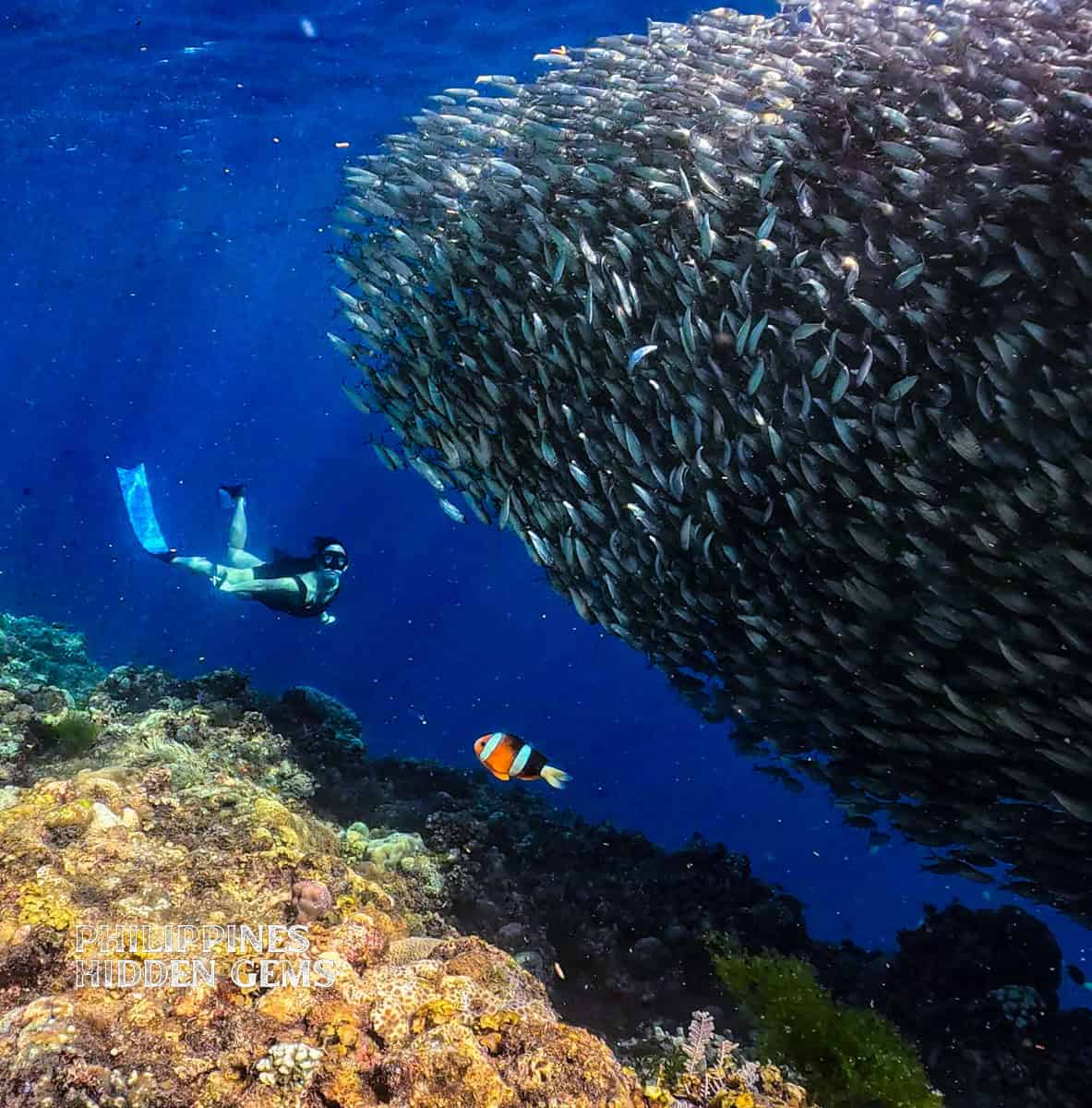
The countryside has clean rivers, rice terraces, and coral reefs that need care. Always take your trash with you and avoid touching wildlife or corals.
Use reef-safe sunscreen when swimming near coral reefs. Support local communities by hiring local guides, eating at small eateries, and buying handmade souvenirs.
This helps protect nature and keep local culture alive.
🌴 Travel Tips for Exploring the Philippine Outskirts
🗺️ Plan Ahead – Roads in rural towns can be rough or confusing. Download offline maps and check your route early since phone signal can drop and GPS isn’t always reliable.
🏍️ Use Local Transport – Motorcycles are the most common ride to reach mountain viewpoints, rice terraces, or waterfalls. Hire local drivers or guides for safety and insider tips.
☀️ Travel During the Dry Season – The best time to explore is December to May when roads are dry and weather is stable. Avoid heavy rain months to skip floods and landslides.
💰 Bring Cash – ATMs are rare in faraway towns and cards aren’t accepted in most places. Carry small bills for tricycles, guides, and food stalls.
🍛 Eat Local, Stay Smart – Enjoy home-style meals, but choose freshly cooked food and avoid tap water. Bring your own bottled water and snacks for long rides.
📶 Stay Prepared for Weak Signal – Some areas have no mobile data or Wi-Fi. Write down emergency numbers and bring a power bank before heading out.
🧡 Respect Locals and Culture – Ask permission before taking photos in villages or ancestral lands. Dress modestly and learn a few local words like Salamat (thank you).
🌱 Travel Responsibly – Don’t leave trash, touch wildlife, or damage plants. Use reef-safe sunscreen and support local shops to help protect nature and communities.
Final Thoughts Before You Go
Exploring the countryside of the Philippines shows the real beauty of the country beyond the busy cities and resorts. You will meet kind locals, enjoy local food, and see amazing natural views.
Always plan your trip well, show respect to people and their traditions, and stay safe while you travel. When you are prepared and open to learning, your trip will be smoother, more meaningful, and full of good memories.
🧭 Travel Resources for the Philippines
Planning a trip around the Philippines? Here are trusted websites and tools to book flights, ferries, hotels, tours, and everything else you’ll need for smooth island-hopping.
✈️ Flights Between Islands
Find the best domestic and international flight deals with 12Go or Skyscanner, and check budget airlines like Cebu Pacific, AirAsia, and Philippine Airlines for cheap inter-island connections.
⛴️ Ferries and Island Transfers
Book ferries between popular islands like Cebu, Bohol, Siquijor, and Palawan on 12Go, which lists updated schedules, routes, and ticket prices for operators like OceanJet, Montenegro Lines, and 2GO Travel.
🏨 Where to Book Your Stay
Choose from beachfront resorts, city hotels, or private stays with Booking.com, Agoda, Airbnb, or Vrbo for family-friendly rentals.
🚗 Getting Around
Compare car rentals on Rentalcars.com or DiscoverCars, book private transfers via Klook, or use Grab in major cities like Manila, Cebu, and Davao for hassle-free rides.
🌴 Book Tours and Activities
Explore top attractions, island-hopping tours, and cultural experiences with Klook, Viator, or GetYourGuide, which all offer easy online booking and reviews.
📶 Stay Connected
Stay online with an Airalo eSIM, rent pocket WiFi from Klook for groups, or buy a local Globe or Smart SIM card upon arrival at the airport.
💸 Cash, ATMs, and Payments
Always carry pesos for small towns and markets, as card payments aren’t widely accepted in remote areas and ATMs can be limited on smaller islands.
🧳 Travel Insurance
Protect yourself from flight delays, medical emergencies, and trip cancellations with flexible plans from SafetyWing, HeyMondo, or World Nomads.
Check Out These Recommended Articles:
- Rainy Season in the Philippines? Here’s Why It’s Still Worth Visiting
- Which Philippine Island to Visit This Season?
- 11 Secret Islands in the Philippines Locals Don’t Want You to Miss
- 13 Philippine Hidden Gems Perfect for a Quick Day Trip
- 11 Everyday Spots in The Philippines That Are Secretly Stunning

About the Author
Hey, I’m Anjie! I love to travel, try local food, and sometimes get a little lost just to see what I’ll discover. I’m obsessed with nature and the sound of waves. That’s why I live where I can take a quick drive to watch the sunset and enjoy the ocean view.
I never start an adventure without iced coffee. I share hidden places in the Philippines because I want others to feel the same peace and joy I do when I find something beautiful and unexpected.